A roof endures heat, salt, rain, and wind long before stains appear indoors. Professional restoration protects that cover by correcting wear while the structure still has sound life left. The work supports comfort, resale value, and moisture control. With careful inspection, washing, repairs, sealing, and coating, an ageing roof can continue to shield the home without the cost and disruption of early replacement.
Early Signs Matter
Cracked mortar, lifted ridge caps, rust trails, and worn coatings often show before leaks reach ceilings. Homeowners researching roof repairs in Mornington may already see storm wear, salt damage, or loose materials. A trade assessment can trace moisture paths, check hidden weak points, and prevent ceiling stains, timber rot, and insulation saturation.
How Restoration Adds Years
Restoration looks at the full roof system, not just the visible faults. Washing, rebedding, repointing, sealing, priming, and coating each serve a separate purpose. Together, they help water shed cleanly from tiles, sheets, flashings, and gutters. That reduces strain on older materials and delays the point where replacement becomes the only sensible choice.
Inspection Guides Action
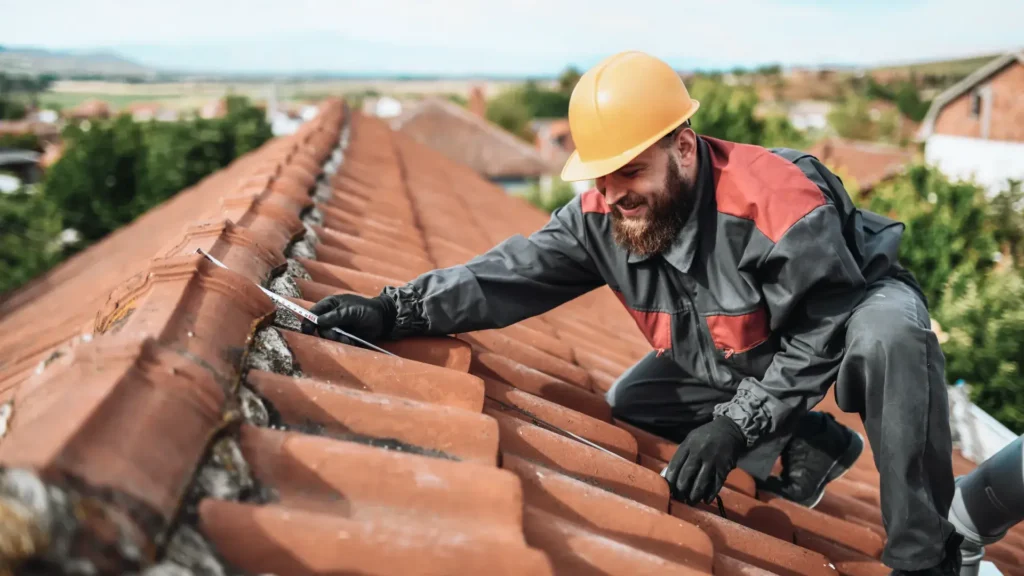
A skilled roofer begins with a close assessment. Valleys, ridgelines, penetrations, gutters, fasteners, flashing edges, and drainage falls all need attention. This review separates surface ageing from structural weakness. Clear findings help owners choose repair, restoration, or replacement based on the actual condition present rather than relying on guesswork or panic after rain.
Cleaning Restores Function
Moss, lichen, salt residue, and fine dirt hold moisture against the surface. That damp film can hide cracks and weaken old coatings. Controlled pressure cleaning removes the buildup and exposes defects for correction. It also gives primers and membranes a clean base. Without this preparation, even a quality coating may lift, blister, or wear prematurely.
Repairs Before Coatings
Paint cannot cure a damaged roof. Broken tiles need replacement, loose sheets need secure fixings, and cracked mortar needs proper correction. Valleys may require clearing, reshaping, or sealing. Flashings must sit tight, with clean edges and sound joints. Repair work recreates a stable base needed before any protective finish can perform well.
Repointing and Rebedding
Tiled roofs depend heavily on the ridge cap condition. Old bedding can fracture, loosen, or crumble after years of sun and rain. Rebedding resets unstable caps in fresh mortar. Flexible pointing then seals the joint while allowing normal thermal movement. Done well, this reduces wind-driven rain entry and protects the roof cavity below.
Metal Roof Care
Metal roofs require close attention to corrosion, fixings, and coating compatibility. Rust must be cleaned, treated, and primed before repainting. Screws and washers also deserve inspection because tired seals often leak during heavy rain. Correct preparation helps panels resist coastal air, heat movement, and surface breakdown across changing seasons.
Coatings Protect Surfaces
A roof coating should do more than refresh the colour. The right product helps repel water, slow chalking, and protect the surface from weather exposure. Some colours and coatings may also reduce heat absorption. Product choice must suit the roof material and local climate. Correct thickness, curing time, and application method matter.
Drainage Prevents Decay
Water needs a clear exit point from every roof plane. Blocked gutters, sagging runs, and clogged valleys can force moisture under edges or into cavities. Downpipes should carry heavy rainfall without backing up. Restoration work should include drainage checks because a sealed surface still fails early when standing water remains trapped.
Coastal Conditions Count
Mornington Peninsula homes face salt spray, strong wind, bright sun, and seasonal rain. Salt can speed corrosion around screws, flashings, and exposed metal. Wind may lift weak edges or loosen aged fixings. Local trade knowledge helps guide primer choice, sealing methods, and repair priorities, which gives restoration work a better chance of lasting.
Cost Control Through Timing
Early restoration can prevent expensive internal damage. Small faults are usually cheaper to correct before they cause leaks in plaster, wiring, cabinetry, or roof framing. Timely work also lets owners plan around weather and budget rather than reacting during a storm. A roof in fair condition usually offers more practical repair options.
Maintenance After Restoration
A restored roof still needs routine care. Yearly checks can catch cracked sealant, blocked gutters, loose flashings, and storm debris before larger faults develop. After severe weather, a brief inspection is sensible. Keeping branches clear of rooflines also limits leaf buildup and impact damage. These habits help protect the restoration investment.
Choosing Skilled Trades
Good restoration depends on judgement as much as materials. Owners should expect clear inspections, written scopes, product details, insurance cover, and before-and-after photos. A reliable tradesperson explains what needs repair, what can wait, and what would be a waste of money. That kind of clarity helps families make calm, well-informed property decisions.
Conclusion
Professional restoration gives an ageing roof a practical route back to reliable service. It treats wear at the source, improves water control, strengthens vulnerable details, and renews protective surfaces. The strongest results come from early checks, proper preparation, and maintenance that reflect local conditions. For owners wanting to protect value and avoid premature replacement, roof restoration remains a measured, sensible investment.