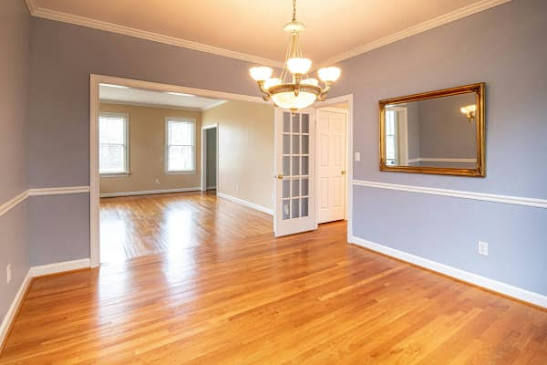
Modern homes ask a lot from a floor. It must carry foot traffic, furniture weight, changing light, and daily cleaning without losing character. Timber meets those demands through natural fibre, stable construction choices, and a finish that can be renewed. Its appeal is practical as much as visual. Across apartments, family houses, and renovated period properties, timber gives rooms warmth, proportion, and long service life.
Natural Warmth
A well-laid timber flooring system gives each room grain, tone, and texture that synthetic coverings rarely copy with accuracy. In our homes, those organic variations soften hard edges, balance painted walls, and create a steady base for rugs, furniture, and natural light without making the space feel busy.
Long-Term Value
Timber can cost more at installation than basic floor coverings, but its lifespan changes the calculation. Quality boards can be sanded, coated, and brought back after years of use. That reduces full replacement and waste. Property buyers often read timber as a sign of care, permanence, and higher build quality.
Fits Many Styles
Design trends change quickly, but timber adapts without looking dated. Pale oak suits bright interiors with clean joinery. Deeper hardwood tones add weight to classic rooms. Parquetry brings geometry without visual noise. Wider boards feel current, while narrow profiles sit comfortably in older homes. This range gives designers useful freedom.
Practical for Daily Life
Busy households need surfaces that tolerate shoes, chairs, pets, and regular cleaning. Timber performs well when species, coating, and installation method match the room. Engineered boards help control seasonal movement. Solid boards offer extra depth for later sanding. Moisture levels, sunlight, and traffic should guide the final choice.
Comfort Underfoot
Timber feels kinder underfoot than stone and firmer than many soft coverings. It can also moderate room acoustics when paired with rugs, curtains, or suitable underlay. In open-plan spaces, that matters. The floor still feels grounded, but sound and movement remain comfortable for everyday living.
Easy to Refresh
A timber floor can stay while other finishes change around it. Wall colours, cabinetry, rugs, and furniture can all shift without forcing replacement. Some surfaces can be recoated after light wear. Others can be sanded when scratches become visible. This capacity for renewal keeps timber useful across many design cycles.
Better Material Choice
Material decisions now include origin, lifespan, maintenance, and disposal. Responsibly sourced timber can support those priorities when compared with short-life products. Its long service period also reduces the need for repeated manufacturing and removal. Certified supply, suitable coatings, and correct care help a home gain beauty while limiting avoidable waste.
Solid Timber
Solid timber boards are cut from one piece of hardwood. They suit projects where depth, authenticity, and future refinishing matter most. Natural movement must be managed through acclimatisation, spacing, and stable indoor conditions. In return, solid boards develop character and can serve a home for decades.
Engineered Timber
Engineered timber has a real timber surface bonded to a layered core. This structure improves dimensional stability, which suits many apartments and renovations. It is useful where subfloor limits or climate variation make solid boards less suitable. The visible layer still provides genuine grain, colour, and surface texture.
Colour and Finish
Finish selection affects mood, cleaning, and visible wear. Matte coatings mask small marks better than gloss coatings. Light tones can make compact rooms feel open. Dark stains add depth but may reveal dust sooner. Samples should be checked in morning light, afternoon sun, and evening lamps before approval.
Care Matters
Timber care depends on consistent habits rather than complex routines. Grit should be removed before it starts to abrade the coating. Spills need prompt attention, especially near entries and kitchens. Felt pads reduce furniture marks. A pH-suitable cleaner protects the surface, while harsh products can dull or damage the finish.
Choosing Well
Good results begin before any board is laid. Homeowners should compare species, grade, construction, coating, warranty, and maintenance needs. Room conditions also matter, including humidity, sun exposure, and expected traffic. Skilled advice helps match product to purpose. That early judgement improves appearance, comfort, and service life.
Conclusion
Timber flooring endures because it works on several levels at once. It brings natural warmth, handles daily use, and can be renewed rather than discarded. Solid, engineered, and patterned options offer homeowners practical choices for a range of budgets and spaces. With thoughtful selection and care, timber offers a surface that feels settled, valuable, and ready for the way modern homes are lived in.