Introduction
Water damage can look minor at first, yet hidden moisture often creates the right setting for mold within one to two days. That quick shift turns a simple cleanup into a larger health and property issue. Fast action matters because damp plaster, carpet, timber, and insulation hold water far longer than many people expect. A clear restoration process removes trapped moisture early, limits contamination, and helps households avoid expensive repairs later.
The First 48 Hours
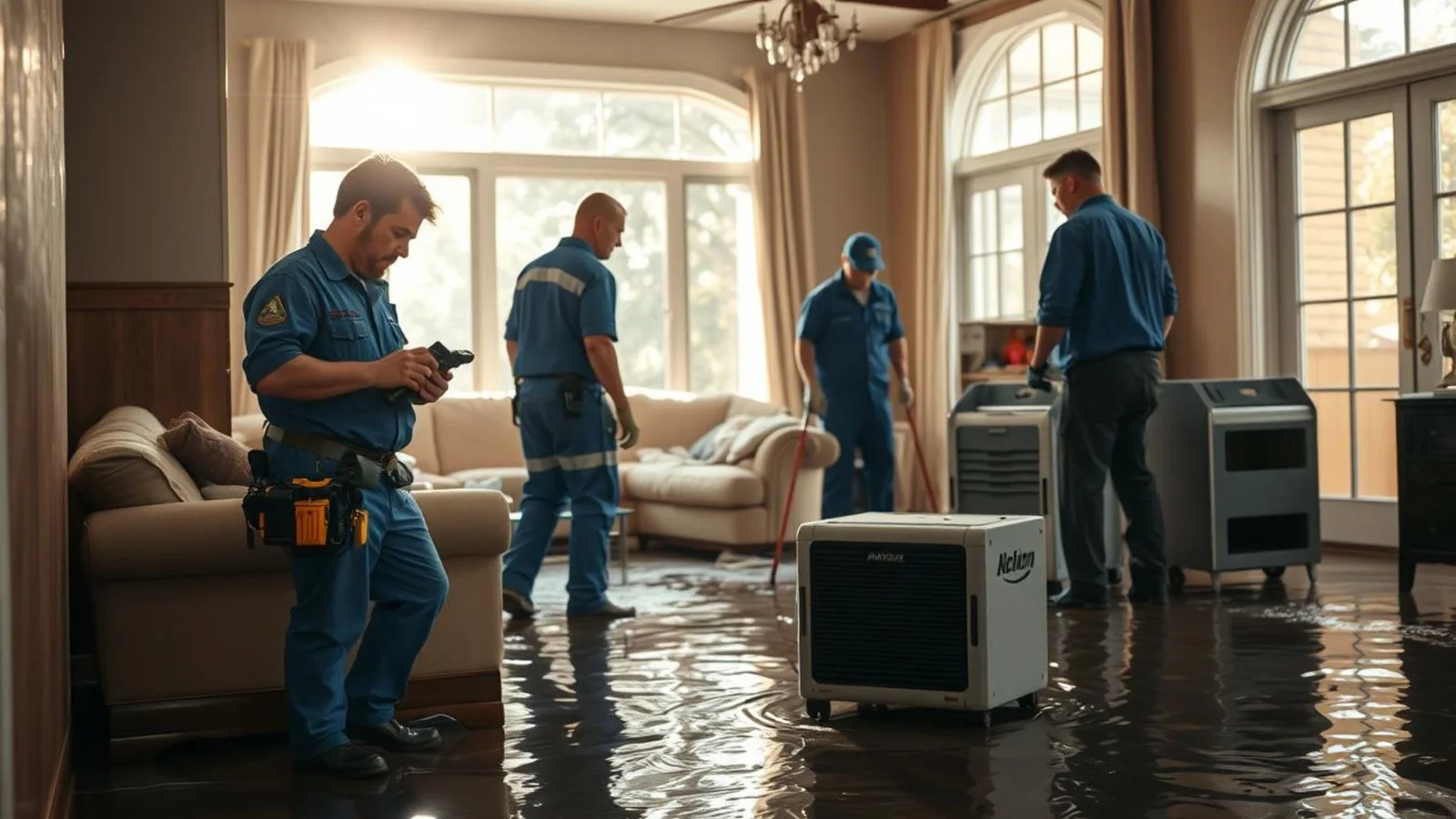
Once water enters a building, moisture spreads into porous materials, under floors, and behind skirting boards. Surface drying rarely reaches those pockets. In that early stage, Water Damage Restoration in Adelaide becomes relevant because prompt extraction, drying, and inspection reduce the damp conditions that feed mold. This response also lowers the chance of odor, staining, and hidden structural decline.
Why Mold Grows So Fast
Mold needs three basics, moisture, a food source, and moderate temperature. Most homes already supply dust, paper, wood, and fabric. That leaves water as the key trigger. Spores settle quickly on wet surfaces, then spread through walls, soft furnishings, and air pathways. Early control matters because small colonies can expand before visible marks appear. By that point, cleanup becomes slower, broader, and far more costly.
Moisture Travels Beyond The Spill
A burst pipe or roof leak rarely stays in one visible area. Water follows gravity, joints, cavities, and floor layers. It can move several rooms away from the original source. That spread raises risk in places people may never inspect. Wet underlay, plasterboard backing, and cabinetry bases hold moisture for days. Without proper measurement, households may assume the issue has ended while mold growth has already started out of sight.
Extraction Stops The Clock
Immediate water extraction is the first major control step. Removing standing water reduces saturation and shortens the drying period. Less retained moisture means fewer opportunities for spores to settle and multiply. This stage also protects floor coverings and subfloors from deeper absorption. A delayed response allows water to soak further into materials, which increases the labor needed later and raises the odds of replacement instead of restoration.
Drying Needs More Than Air
Opening windows and running household fans can help, but that approach is often uneven. Professional drying relies on airflow, dehumidification, and moisture tracking. Those steps work together to draw water from dense materials, not just from exposed surfaces. Drying targets must be confirmed, not guessed. If moisture remains inside timber, drywall, or carpet padding, mold can still develop even when the room feels dry to touch.
Hidden Moisture Needs Testing
Meters and thermal checks help locate moisture behind walls, under vinyl, and inside joinery. That data guides where drying equipment should run and when materials are actually safe. Guesswork usually misses cooler, enclosed pockets. Accurate testing also prevents unnecessary demolition, which can save substantial money. When teams know the moisture pattern, they can focus treatment where risk is real, rather than removing sound materials without evidence.
Clean Water And Dirty Water Differ
The source of the water shapes the response plan. Clean supply leaks are serious, yet sewer backups and stormwater create a much higher contamination risk. Dirty water can carry bacteria, soil, and organic matter that support faster microbial growth. In those cases, drying alone is not enough. A proper response includes cleaning, disposal of unsafe materials, and sanitation so mold does not take hold alongside other contamination problems.
Small Delays Create Big Costs
Mold claims often become expensive because delays multiply the scope of work. A minor leak may first affect one room, then spread into adjacent framing, ceilings, and stored items. Repair bills rise when painting, plaster replacement, flooring, and odor treatment are added. Temporary relocation can add more strain. Quick restoration keeps the affected zone smaller, which protects budgets and reduces disruption for families trying to return to normal routines.
Health Concerns Add Pressure
Mold exposure can aggravate asthma, allergies, and general respiratory irritation, especially for children, older adults, and people with existing sensitivity. Even when symptoms stay mild, occupants may worry about indoor air quality and lingering smell. That concern often pushes rushed decisions later. Early restoration lowers that pressure by addressing moisture before spores spread widely. Preventing growth is usually simpler, safer, and less stressful than removing established contamination.
Conclusion
Water damage restoration prevents mold by doing three things early, removing water, drying materials fully, and verifying that hidden moisture is gone. Those steps interrupt the exact conditions spores need to spread. The financial value is clear because smaller affected areas need less repair, less replacement, and less sanitation. For households and property managers, fast, measured action is the practical way to protect indoor health, building materials, and long-term maintenance budgets.