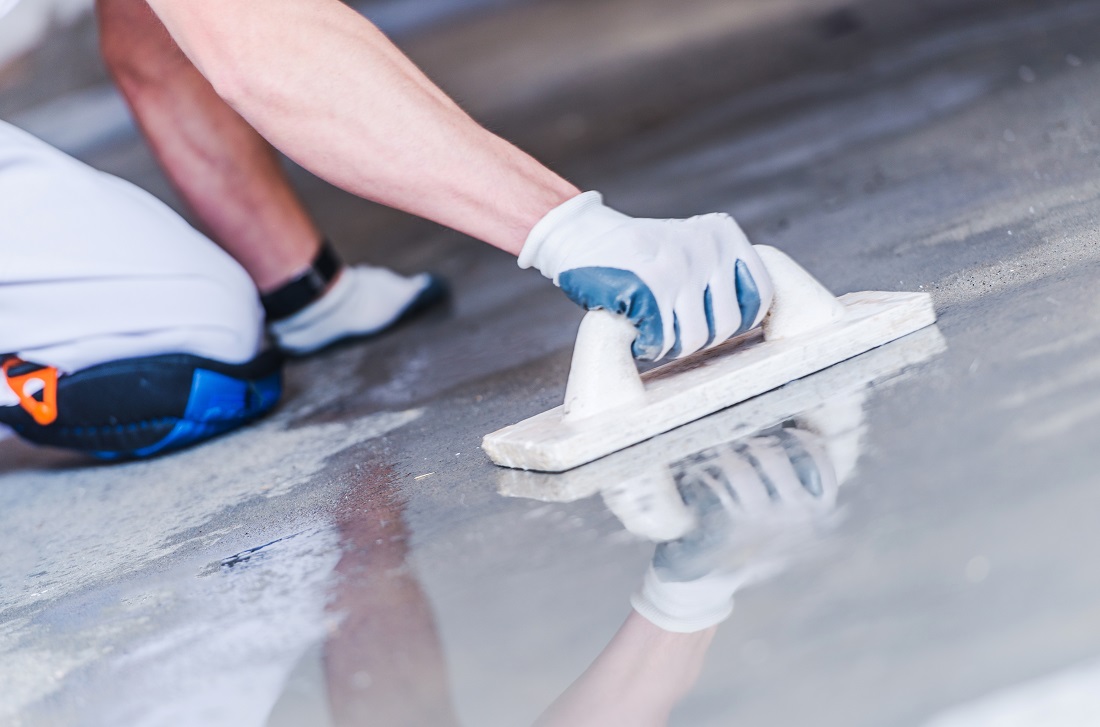
Concrete sealing protects a floor only when the surface and coating suit the site. A grind-and-seal finish removes worn concrete, exposes a cleaner surface, and adds protection. The result depends on preparation, sealer selection, application, and expected use. Melbourne properties face changing weather, vehicle traffic, and outdoor exposure. Understanding both stages helps property owners choose a finish that performs properly. The process begins with a slab assessment.
A suitable sealer must match the concrete’s porosity, location, expected traffic, and sun exposure. Water-based and solvent-based products behave differently, while their durability and UV stability also vary. A local service such as concrete sealing in Melbourne can assess the slab before recommending a finish. That decision matters because the wrong product can peel, scratch, or wear early, even after careful application.
Why Product Selection Matters
Concrete sealers protect the surface by forming a barrier against moisture, stains, and everyday wear. Performance depends on the product’s formulation and the conditions around the slab. A coating selected for an indoor garage does not suit every outdoor area.
Solvent-based and water-based sealers have different application requirements and performance characteristics. The right choice depends on the floor’s location, appearance requirements, expected traffic, and UV exposure. Some surfaces need a matte finish, while others suit a semi-gloss or high-gloss appearance.
Outdoor areas also require attention to slip resistance. A non-slip sealer additive improves traction in exposed areas where rain or moisture affects the surface. The additive should suit the intended use without changing the finish more than necessary.
Why Preparation Controls the Finish
Grinding removes the worn upper layer of concrete and exposes a cleaner, more even surface. Diamond-segmented abrasives remove surface irregularities while preparing the slab for the sealer. The grinding stage also helps expose aggregate where the existing concrete contains decorative stone.
Poor preparation leaves dust, weak material, old residue, or uneven areas beneath the coating. Those defects affect adhesion and remain visible after sealing. Cleaning and inspection must therefore follow grinding before the final product reaches the floor.
The slab also needs enough time to harden before grinding begins. Concrete generally needs at least 14 days after pouring before you can start grinding. Older slabs require an assessment for cracks, contamination, moisture, and previous coatings.
How Grinding and Sealing Work Together
Grinding and sealing perform separate jobs within one flooring system. Grinding changes the surface profile and appearance, while sealing protects the prepared concrete. Either stage loses value when the other receives inadequate attention.
A grind-and-seal finish suits garages, outdoor areas, and smooth exposed aggregate surfaces. The process removes the worn outer layer, then applies a sealer to create the selected appearance. Available finishes include burnished, matte, high-gloss, and semi-gloss results.
The number of grinding passes depends on the slab and the material covering it. Normal grinding equipment removes around 1/16 inch per pass when no adhesive or sealer obstructs the abrasive. Existing coatings can change the preparation method and the time required.
Match the Finish To the Site
The intended use should guide every decision about sealing concrete. A lightly used garage has different demands from an exposed driveway or a busy commercial floor. Vehicle movement, weather, cleaning methods, and direct sunlight all affect the coating.
A sealed floor is easier to maintain than an untreated surface because the coating limits absorption. Sealing also reduces the likelihood of staining and supports a cleaner surface. The coating still requires care, especially where grit, impact, or frequent movement causes abrasion.
Grind-and-seal flooring is not recommended for areas with heavy foot traffic or homes with children and pets where the risk of scratching or peeling is higher. A surface assessment should consider these conditions before selecting a finish.
Plan for Maintenance and Re-Sealing
No sealer remains unchanged throughout a floor’s life. Traffic, ultraviolet exposure, moisture, and cleaning gradually affect the coating. Re-sealing becomes necessary when the protective layer shows wear or no longer provides the required appearance.
Routine maintenance should remove dirt before it abrades the surface. Prompt cleaning also limits how long spills remain on the coating. Harsh cleaning methods can damage the finish, so maintenance products should match the sealer used.
Property owners should also monitor peeling, scratches, dull patches, and changes in water absorption. These signs indicate that the coating needs inspection. Early attention lets you assess the surface before damage spreads across a larger area.
Conclusion
A durable sealed concrete floor depends on two connected decisions: preparing the slab correctly and selecting a sealer that suits its location. Grinding removes weak material and creates the required surface, while the coating controls protection, appearance, and slip resistance. Before requesting a quote, property owners should identify the area’s traffic, weather exposure, finish preference, and maintenance needs. That information gives the contractor a clear basis for recommending the right process and re-sealing schedule.